

What Is Temporomandibular Joint Disorder (TMJ) Treatment?
Temporomandibular Joint Disorder, commonly referred to as TMJ, involves a range of conditions affecting the jaw joint and surrounding muscles. The treatment for this disorder focuses on alleviating pain, restoring function, and improving overall quality of life. Dr. Craig S. Kohler offers comprehensive solutions tailored to each patient’s unique needs, utilizing advanced techniques and technologies.
The temporomandibular joints connect the jawbone to the skull, allowing for movements necessary for speaking, chewing, and swallowing. When these joints become dysfunctional, patients may experience discomfort, restricted movement, or even chronic pain. Effective management of TMJ disorders is essential in preventing further complications and ensuring optimal oral health.
At Kohler Dentistry, the approach to treating TMJ encompasses various methodologies, including physical therapy, dental splints, and lifestyle modifications. By addressing both the symptoms and underlying causes, Dr. Craig S. Kohler ensures that patients receive well-rounded care aimed at long-term relief.
What Problems Does Temporomandibular Joint Disorder (TMJ) Treatment Solve?
Individuals suffering from TMJ often face a multitude of challenges, ranging from acute pain to functional limitations. Common issues include jaw stiffness, headaches, earaches, and facial pain. These symptoms can significantly impact daily activities, making it crucial to seek effective treatment options.
Moreover, untreated TMJ disorders can lead to more severe problems such as tooth wear, misalignment, and even psychological stress due to chronic pain. Identifying and addressing these concerns early can prevent escalation and enhance overall well-being.
Dr. Craig S. Kohler’s expertise in diagnosing and managing TMJ allows for targeted interventions that effectively alleviate discomfort. Utilizing cutting-edge technology and personalized care strategies, patients can expect significant improvements in their condition and quality of life.
What’s Involved in Temporomandibular Joint Disorder (TMJ) Treatment?
The treatment process begins with a thorough evaluation of the patient’s medical history and current symptoms. Dr. Craig S. Kohler conducts a detailed examination of the jaw and associated structures to determine the most appropriate course of action. This may involve imaging studies to assess the condition of the joints and surrounding tissues.
Once a diagnosis is established, treatment plans may include non-invasive methods such as bite guards, therapeutic exercises, and medication to manage pain and inflammation. For some patients, more advanced interventions like injections or surgical options may be considered, depending on the severity of the disorder.
Throughout the treatment journey, regular follow-ups are essential to monitor progress and make necessary adjustments. Dr. Craig S. Kohler emphasizes the importance of collaboration between the dentist and patient to ensure successful outcomes. Each step is designed to provide clarity and precision in addressing the complexities of TMJ disorders.
Who Is Temporomandibular Joint Disorder (TMJ) Treatment For?
TMJ treatments are suitable for individuals of all ages who experience symptoms related to jaw dysfunction. Whether it’s occasional discomfort or chronic pain, anyone facing difficulties with jaw movement, clicking sounds, or persistent headaches could benefit from professional assessment and intervention.
Additionally, those who have undergone previous dental work or suffer from bruxism—teeth grinding—are particularly vulnerable to developing TMJ disorders. Recognizing potential risk factors early can lead to timely treatment, minimizing the impact on one’s oral health and overall comfort.
Dr. Craig S. Kohler welcomes patients seeking relief from TMJ-related issues, providing compassionate care and expert guidance throughout the treatment process. Understanding individual circumstances allows for customized approaches that align with specific patient needs.
What Are the Benefits of Temporomandibular Joint Disorder (TMJ) Treatment?
Engaging in effective TMJ treatment brings numerous benefits, primarily centered around pain relief and improved functionality. Patients report significant reductions in discomfort, leading to enhanced daily living experiences. With proper management, many individuals find they can return to normal activities without fear of exacerbating their symptoms.
Another critical advantage is the prevention of long-term complications associated with untreated TMJ disorders. Addressing the issue promptly helps maintain healthy teeth alignment and prevents excessive wear, which can result in costly restorative procedures down the line.
Furthermore, the holistic approach taken by Dr. Craig S. Kohler promotes not just physical healing but also emotional well-being. Many patients experience reduced anxiety and improved mood as their pain subsides and they regain control over their lives.
Why Is Kohler Dentistry Uniquely Qualified to Provide Temporomandibular Joint Disorder (TMJ) Treatment?
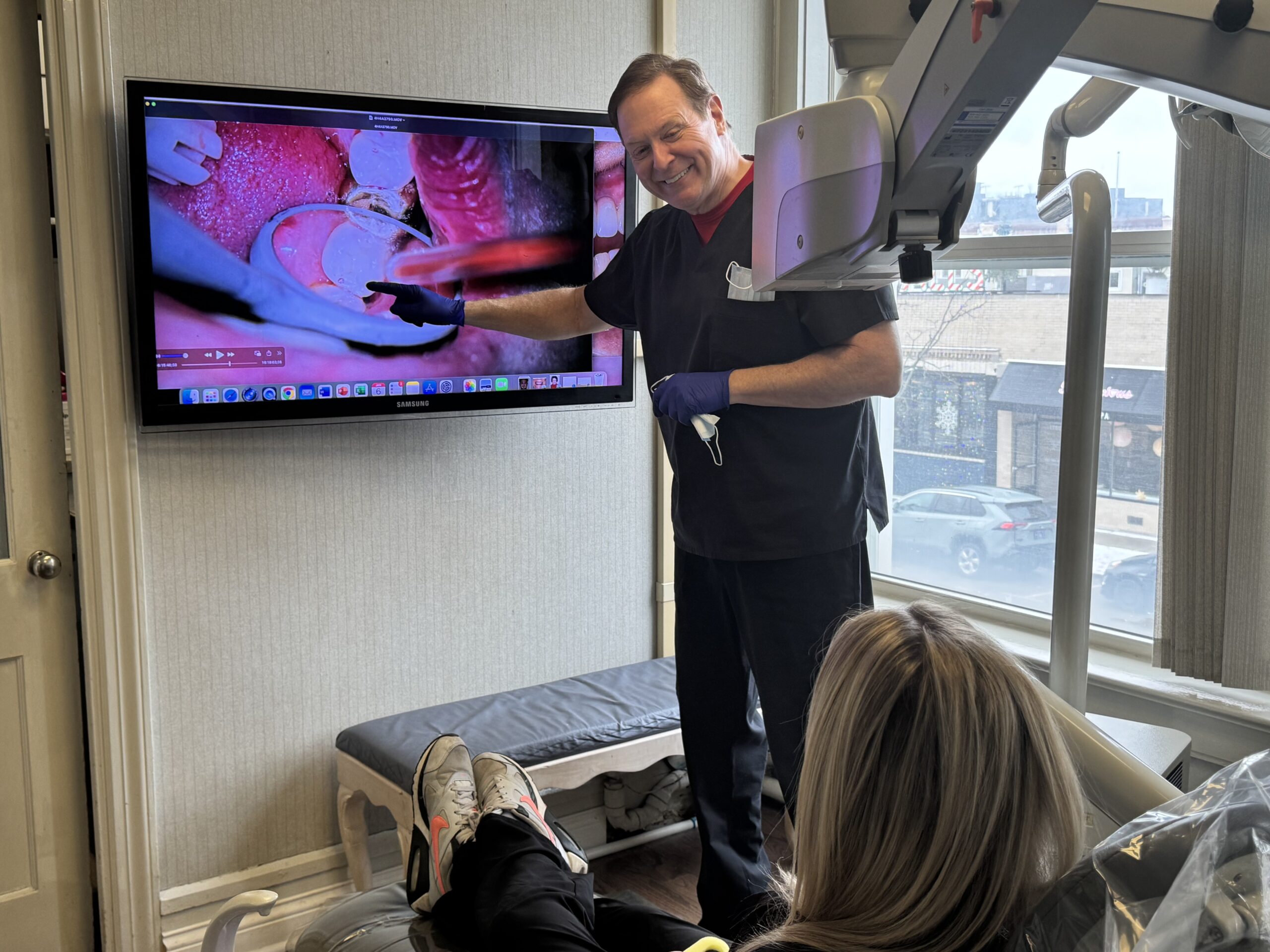
Kohler Dentistry stands out as a leader in TMJ treatment due to its commitment to Precision & Clarity with Microscopy Dentistry. Dr. Craig S. Kohler employs state-of-the-art technology to deliver superior care, ensuring accurate diagnoses and effective treatment plans tailored to each patient.
The practice utilizes Cutting-Edge Technology for Superior Care, integrating advanced diagnostic tools and innovative therapies that set it apart from traditional dental practices. This focus on modern advancements enables the team to stay ahead of emerging trends in TMJ management.
Finally, Kohler Dentistry prides itself on Comprehensive & Personalized Dental Care. Every treatment plan is crafted with the individual in mind, fostering an environment where patients feel heard and understood. Dr. Craig S. Kohler’s dedication to ongoing education and improvement guarantees that every patient receives the highest standard of care available.
Take Action Today!
If you are searching for “Temporomandibular Joint Disorder (TMJ) Treatment near me,” look no further than Kohler Dentistry. Dr. Craig S. Kohler is ready to help you reclaim your comfort and improve your quality of life. Contact us today at (847) 251-9000, or visit our Contact Page. You can also find us on Google Maps here.