

What Is Temporomandibular Joint Disorder (TMJ) Evaluation?
Temporomandibular Joint Disorder (TMJ) Evaluation is a specialized assessment aimed at diagnosing and understanding issues related to the temporomandibular joint, which connects the jawbone to the skull. This evaluation encompasses various techniques designed to identify dysfunctions that can lead to pain, discomfort, or restricted movement in the jaw. Dr. Craig S. Kohler employs advanced diagnostic tools and methodologies to provide an accurate diagnosis, ensuring patients receive the most effective treatment options.
The temporomandibular joint plays a crucial role in daily functions such as chewing, speaking, and swallowing. When this joint experiences problems, it can result in a range of symptoms including jaw pain, headaches, earaches, and difficulty opening or closing the mouth. A thorough TMJ evaluation helps pinpoint the underlying causes of these symptoms, allowing for targeted interventions.
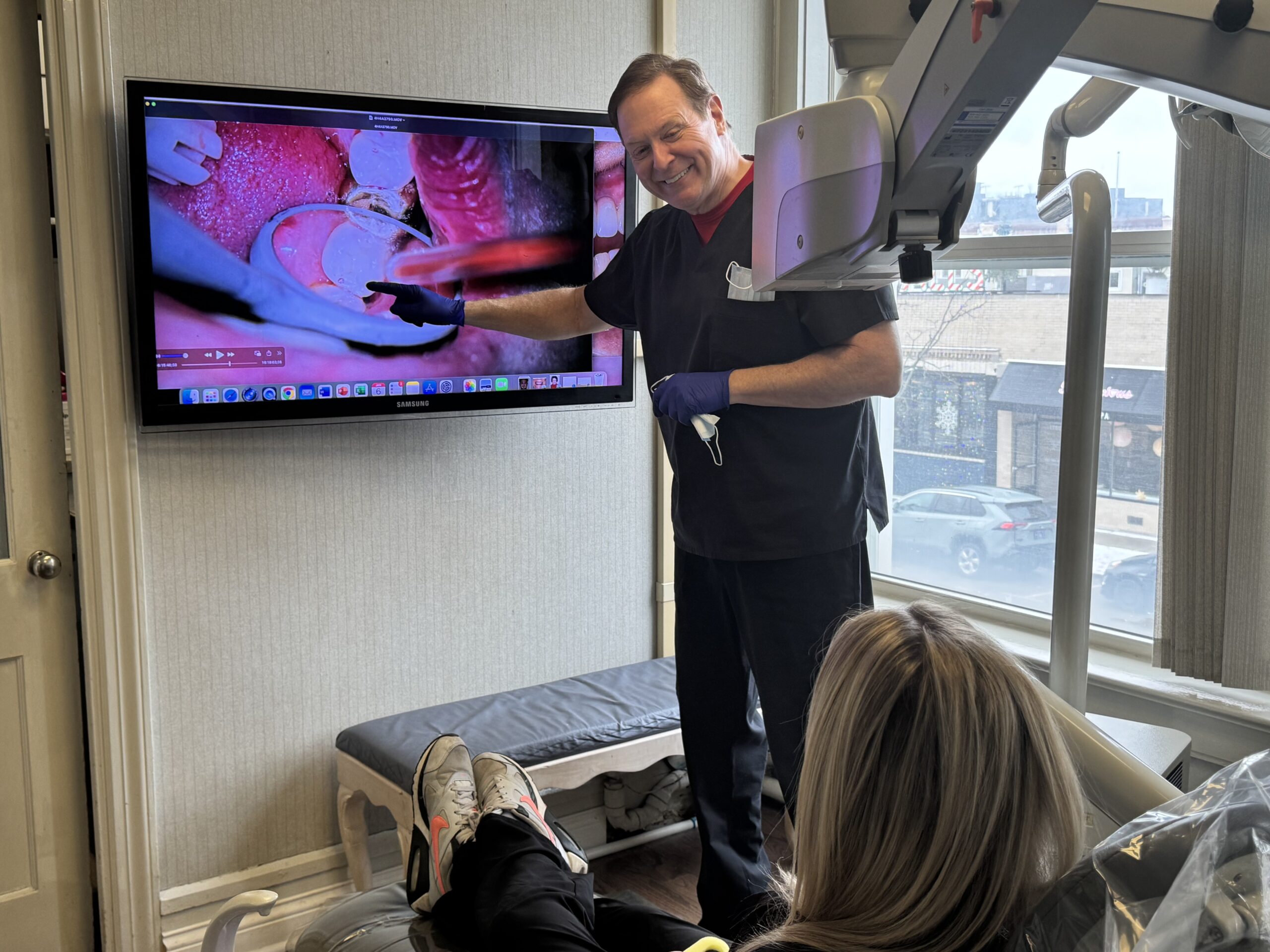
At Kohler Dentistry, the emphasis on Precision & Clarity with Microscopy Dentistry enhances the accuracy of each evaluation. By utilizing cutting-edge technology, Dr. Craig S. Kohler ensures that every aspect of the patient’s condition is thoroughly examined, leading to informed decision-making regarding care strategies.
What Problems Does Temporomandibular Joint Disorder (TMJ) Evaluation Solve?
A comprehensive TMJ evaluation addresses several critical issues associated with jaw disorders. Patients often present with chronic pain, limited mobility, and other debilitating symptoms that significantly impact their quality of life. Through detailed assessments, Dr. Craig S. Kohler identifies specific conditions affecting the temporomandibular joint, enabling tailored treatment plans that effectively alleviate discomfort.
Common problems solved through this evaluation include misalignment of the jaw, arthritis within the joint, and muscle tension surrounding the area. Identifying these issues early can prevent further complications, such as permanent damage to the joint or surrounding tissues. The evaluation process not only focuses on immediate concerns but also considers long-term health implications.
Moreover, addressing these problems promptly can enhance overall oral health. Many patients do not realize how interconnected dental health is with systemic well-being; thus, resolving TMJ-related issues can lead to improvements beyond just jaw function. With a focus on Comprehensive & Personalized Dental Care, Dr. Craig S. Kohler aims to restore balance and comfort to every patient’s life.
What’s Involved in Temporomandibular Joint Disorder (TMJ) Evaluation?
The evaluation process begins with a thorough consultation where Dr. Craig S. Kohler reviews the patient’s medical history and discusses any current symptoms. This initial dialogue is essential for understanding the context of the patient’s condition. Following this, a physical examination of the jaw will be conducted, assessing its range of motion, clicking sounds, and tenderness.
Advanced imaging technologies may also play a pivotal role in the evaluation. Techniques such as X-rays, MRIs, or CT scans are utilized to visualize the structure of the joint and surrounding areas. These images provide invaluable insights into potential structural abnormalities or degenerative changes that could contribute to the disorder.
Once all data has been collected, Dr. Craig S. Kohler analyzes the findings to formulate a precise diagnosis. Based on this analysis, he will discuss possible treatment options, which may include lifestyle modifications, physical therapy, or even surgical intervention if necessary. The goal is always to ensure that patients feel empowered and fully informed about their care journey.
Who Is Temporomandibular Joint Disorder (TMJ) Evaluation For?
This type of evaluation is suitable for anyone experiencing symptoms related to the temporomandibular joint. Common indicators include persistent jaw pain, frequent headaches, neck pain, or unusual clicking sounds when moving the jaw. Individuals who have previously experienced trauma to the jaw or those suffering from bruxism—grinding teeth during sleep—may also benefit from a thorough assessment.
Additionally, people with a history of dental work involving crowns, bridges, or orthodontics might find themselves susceptible to TMJ issues due to altered bite mechanics. Therefore, proactive evaluations can help detect potential problems before they escalate into more significant concerns.
Ultimately, the evaluation serves individuals of all ages who seek relief from jaw-related discomfort. Whether one is dealing with acute symptoms or chronic issues, Dr. Craig S. Kohler welcomes patients seeking clarity and solutions for their TMJ challenges.
What Are the Benefits of Temporomandibular Joint Disorder (TMJ) Evaluation?
Undergoing a TMJ evaluation offers numerous benefits, primarily centered around enhanced quality of life. By accurately diagnosing the root cause of jaw pain and dysfunction, patients can access appropriate treatments that promote healing and restore normal function. Early detection of TMJ disorders allows for less invasive treatment options, reducing the need for extensive procedures later on.
Another significant advantage is the personalized approach taken by Dr. Craig S. Kohler. Each evaluation is tailored to the individual needs of the patient, incorporating their unique medical history and symptomatology. This level of customization fosters trust and encourages open communication between the patient and dentist, ultimately leading to better outcomes.
Furthermore, the use of Cutting-Edge Technology for Superior Care means that patients can expect the highest standard of diagnostics available. Advanced imaging and analytical tools enable Dr. Craig S. Kohler to make informed decisions quickly, ensuring that patients receive timely interventions. Overall, the benefits extend far beyond mere symptom relief, contributing to improved overall health and wellness.
Why Is Kohler Dentistry Uniquely Qualified to Provide Temporomandibular Joint Disorder (TMJ) Evaluation?
Kohler Dentistry stands out as a leader in providing exceptional care for temporomandibular joint disorders. Dr. Craig S. Kohler’s commitment to excellence is evident in every aspect of practice, from the precision offered through Microscopy Dentistry to the incorporation of state-of-the-art technology. This dedication ensures that patients receive the best possible evaluations and treatments.
Dr. Craig S. Kohler brings years of experience and expertise in managing complex dental issues, particularly those related to TMJ. His comprehensive knowledge enables him to navigate the intricacies of jaw disorders effectively, offering solutions that address both immediate and long-term concerns. Patients can rest assured knowing they are in capable hands.
Moreover, the practice emphasizes a holistic approach to dental care, recognizing the interconnections between oral health and overall well-being. This perspective allows Dr. Craig S. Kohler to consider broader health factors during evaluations, resulting in more effective treatment plans tailored specifically to each individual’s needs.
Take Action Today for Your Comfort!
If you are searching for a Temporomandibular Joint Disorder (TMJ) Evaluation near me, look no further than Kohler Dentistry. Experience the difference that comes with working alongside Dr. Craig S. Kohler, who prioritizes your health and comfort above all else. Call today at (847) 251-9000 to schedule your appointment and take the first step towards relief. Visit us at our location: Google Maps.