
What Are Dental Bridges?
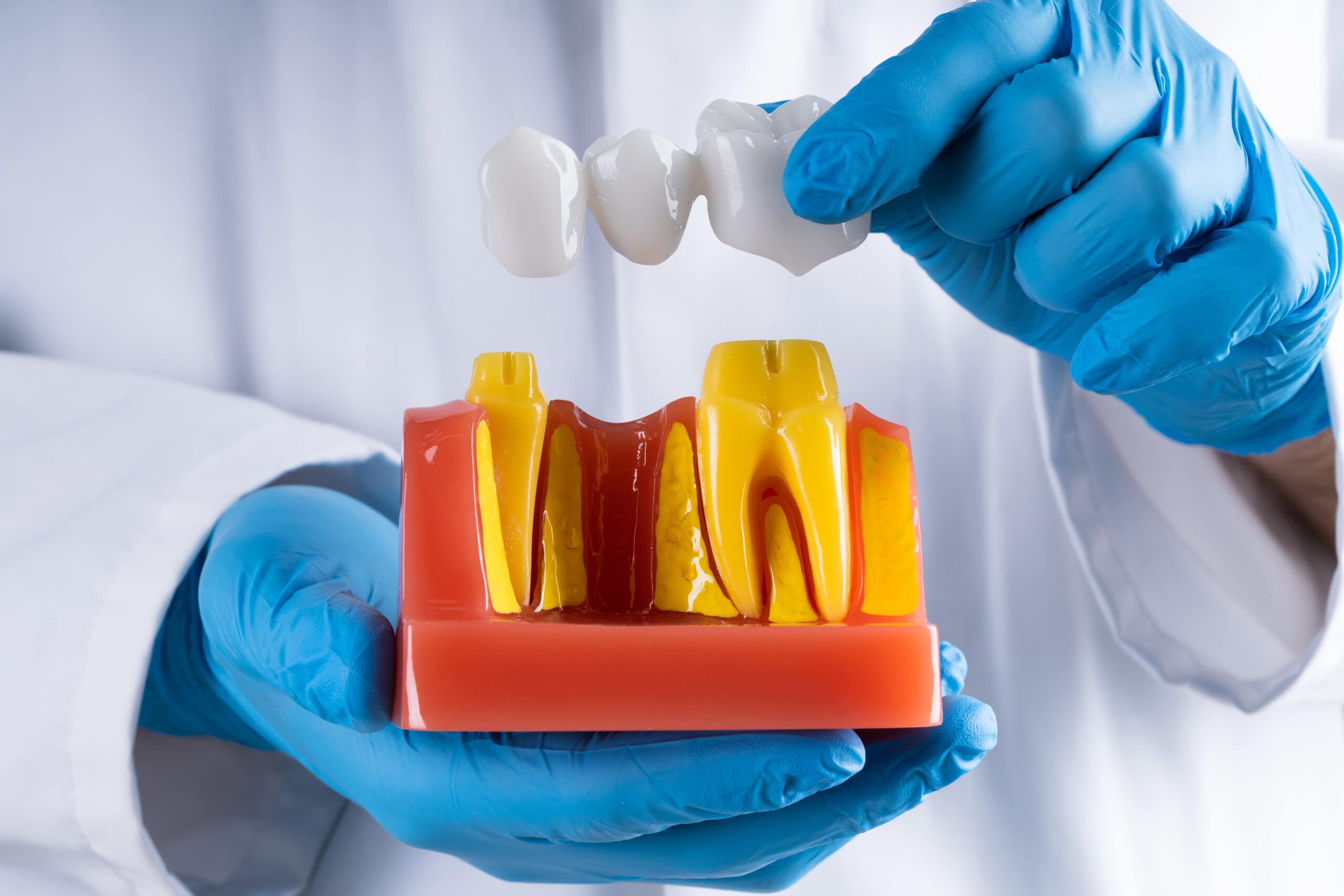
Dental bridges are prosthetic devices designed to replace one or more missing teeth. They bridge the gap created by these lost teeth, restoring both function and aesthetics to a patient’s smile. Typically anchored by crowns placed on adjacent natural teeth or dental implants, bridges can be crafted from various materials, including porcelain, gold, or a combination of both. This versatility allows for customization based on individual patient needs and preferences.
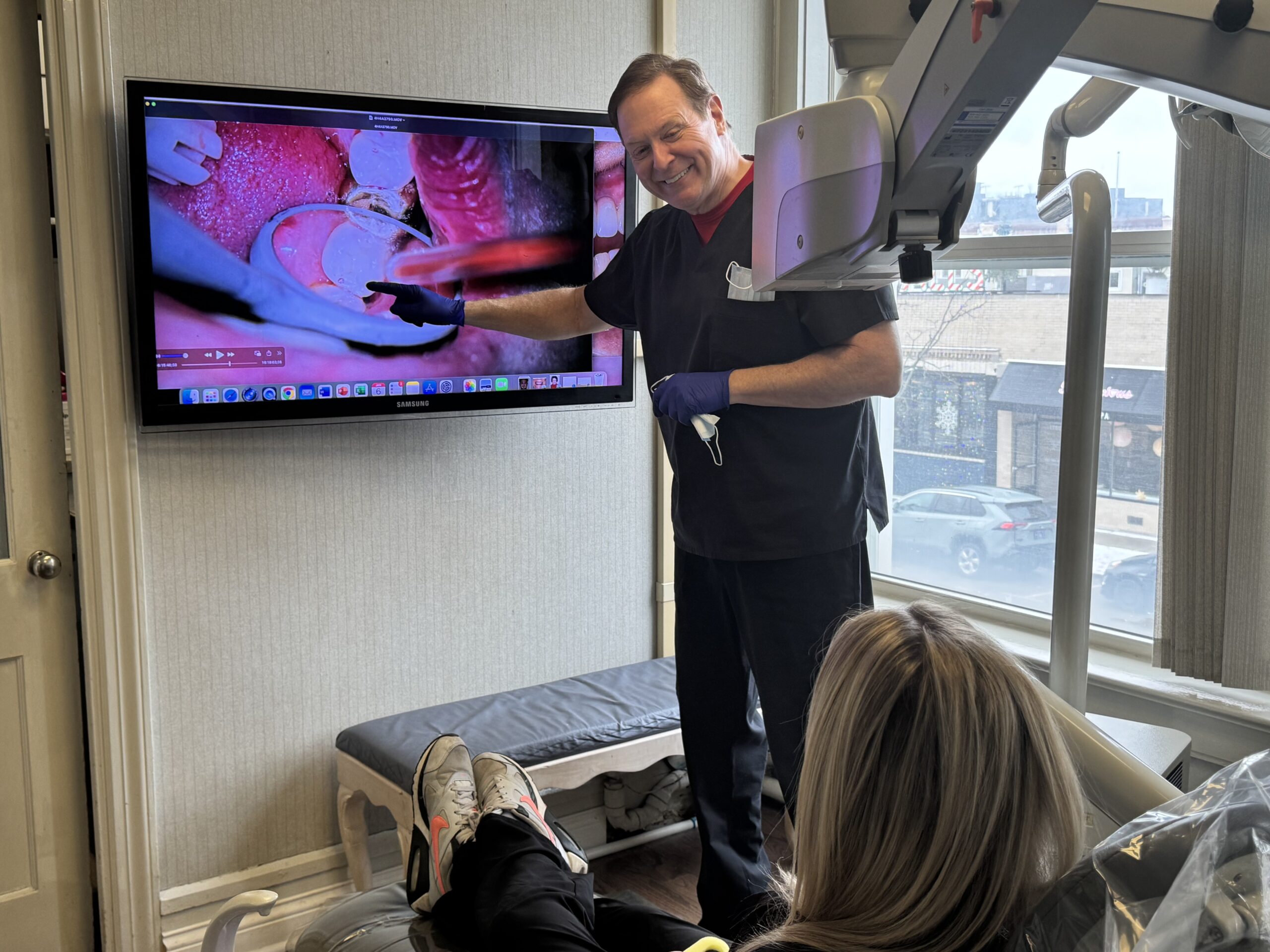
The process of obtaining a dental bridge involves careful planning and precise execution. Dr. Craig S. Kohler utilizes cutting-edge technology for superior care, ensuring that each bridge is tailored specifically to fit the unique contours of the patient’s mouth. The use of advanced imaging techniques aids in creating an accurate blueprint, resulting in a comfortable and effective restoration.
Patients often find themselves asking about the longevity and maintenance of these restorations. With proper care, dental bridges can last many years, making them a reliable solution for tooth loss. Regular check-ups with Dr. Craig S. Kohler ensure that any potential issues are addressed promptly, maintaining the integrity and appearance of the bridge over time.
What Problems Do Dental Bridges Solve?
Missing teeth can lead to several complications beyond just aesthetic concerns. Gaps left by lost teeth may cause remaining teeth to shift, leading to misalignment and bite issues. Additionally, the absence of teeth can result in difficulties when chewing or speaking, impacting overall quality of life. A well-placed bridge effectively addresses these challenges, restoring both functionality and confidence.
Another significant issue related to tooth loss is bone resorption. When a tooth is missing, the underlying jawbone can begin to deteriorate due to lack of stimulation. Dental bridges help to support the structure of the jaw, preventing further bone loss and preserving facial features. By providing stability, they contribute to long-term oral health.
Moreover, patients often experience emotional distress associated with missing teeth. Aesthetic concerns can affect self-esteem and social interactions. By restoring a complete smile, dental bridges not only improve physical appearance but also enhance psychological well-being, allowing individuals to engage confidently in their daily lives.
What’s Involved in Dental Bridges?
The journey to getting a dental bridge typically begins with a comprehensive consultation with Dr. Craig S. Kohler. During this initial visit, a thorough examination is conducted, which may include X-rays and digital scans. These assessments allow for a detailed understanding of the patient’s dental health and the best approach for treatment.
Once a treatment plan is established, the next step involves preparing the adjacent teeth for crowns if necessary. This preparation includes reshaping the teeth to ensure a snug fit for the bridge. Impressions are then taken, capturing the exact dimensions needed for crafting a custom bridge. At Kohler Dentistry, precision & clarity with microscopy dentistry ensures that every detail is accounted for.
After the bridge has been fabricated, a follow-up appointment is scheduled for placement. Dr. Craig S. Kohler carefully positions the bridge, checking for comfort and alignment before securing it into place. Post-placement care instructions will be provided to ensure optimal healing and maintenance of the new restoration.
Who Are Dental Bridges For?
Dental bridges are suitable for a wide range of patients experiencing tooth loss. Individuals who have lost one or more teeth due to decay, injury, or periodontal disease can benefit significantly from this restorative option. Furthermore, those looking to improve their oral function and aesthetics are excellent candidates for receiving a bridge.
It is essential for prospective patients to maintain good oral hygiene and overall dental health prior to undergoing the procedure. Patients with healthy gums and sufficient bone density are ideal candidates, as these factors contribute to the success of the bridge. Dr. Craig S. Kohler evaluates each individual’s situation during consultations to determine eligibility and recommend the best course of action.
Even patients with existing dental work, such as crowns or fillings, can consider dental bridges. As part of a comprehensive and personalized dental care approach, Dr. Craig S. Kohler assesses how a bridge can complement existing treatments while enhancing overall oral health.
What Are the Benefits of Dental Bridges?
The advantages of dental bridges extend far beyond mere aesthetics. One of the primary benefits is improved functionality; patients can chew and speak more effectively after receiving a bridge. This enhancement leads to better nutrition and overall health, as individuals can enjoy a wider variety of foods without discomfort.
Additionally, dental bridges provide structural support to surrounding teeth, helping to prevent shifting and misalignment. This stabilization contributes to a healthier bite and reduces the risk of future dental problems. Moreover, bridges play a vital role in maintaining facial symmetry, preventing the sunken appearance that often accompanies tooth loss.
Lastly, the emotional benefits of having a complete smile cannot be overstated. Many patients report increased confidence and satisfaction with their appearance after receiving a bridge. This renewed sense of self-worth positively impacts personal and professional relationships, fostering a more fulfilling lifestyle.
Why Is Kohler Dentistry Uniquely Qualified to Provide Dental Bridges?
Kohler Dentistry stands out as a premier provider of dental bridges due to its commitment to excellence and innovation. Under the leadership of Dr. Craig S. Kohler, the practice employs cutting-edge technology for superior care, ensuring that each patient receives the highest standard of treatment. Advanced diagnostic tools enable precise planning and execution, resulting in exceptional outcomes.
The emphasis on precision & clarity with microscopy dentistry sets Kohler Dentistry apart in the field. This meticulous attention to detail ensures that every aspect of the bridge fits seamlessly within the patient’s mouth, promoting comfort and longevity. Dr. Craig S. Kohler’s extensive training and experience further bolster the practice’s reputation for delivering outstanding results.
Finally, Kohler Dentistry prides itself on offering comprehensive and personalized dental care. Each treatment plan is tailored to meet the specific needs and goals of the patient, fostering a collaborative environment where individuals feel valued and understood. This holistic approach ensures that patients receive not only top-tier dental services but also compassionate support throughout their journey toward restored oral health.
Transform Your Smile Today!
If you are searching for “dental bridges near me” in Wilmette, Winnetka, or Kenilworth, look no further than Kohler Dentistry. Led by Dr. Craig S. Kohler, the practice is dedicated to providing high-quality restorative solutions tailored to your unique needs. To learn more about how dental bridges can enhance your smile, call us at (847) 251-9000. Alternatively, you can reach out through our contact page or visit us at our location found on Google Maps.